
Travelling with Art Supplies
I decided it’s been a while since I first wrote about travelling with art supplies and my art materials have changed a little so here is an update with some more recent recommendations:
Some of the items I took with me on my latest trip abroad ©heidilaughtonart
Travelling with art materials is hard because you want to take everything with you, but obviously space is limited. It’s so wonderful to be able to paint on vacation or perhaps you’re lucky enough to be going on an art retreat. I’ll run through some items I take with me.
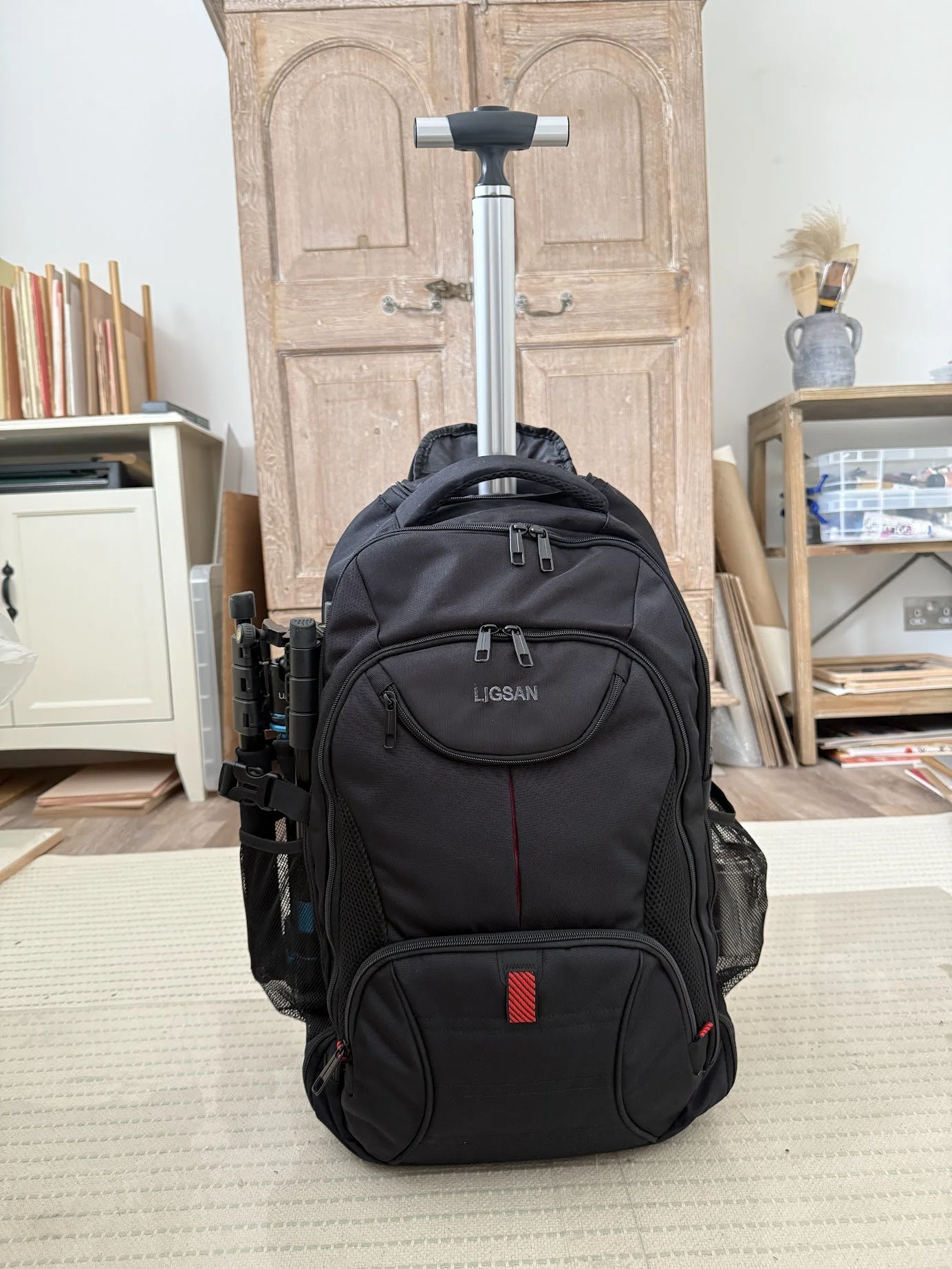
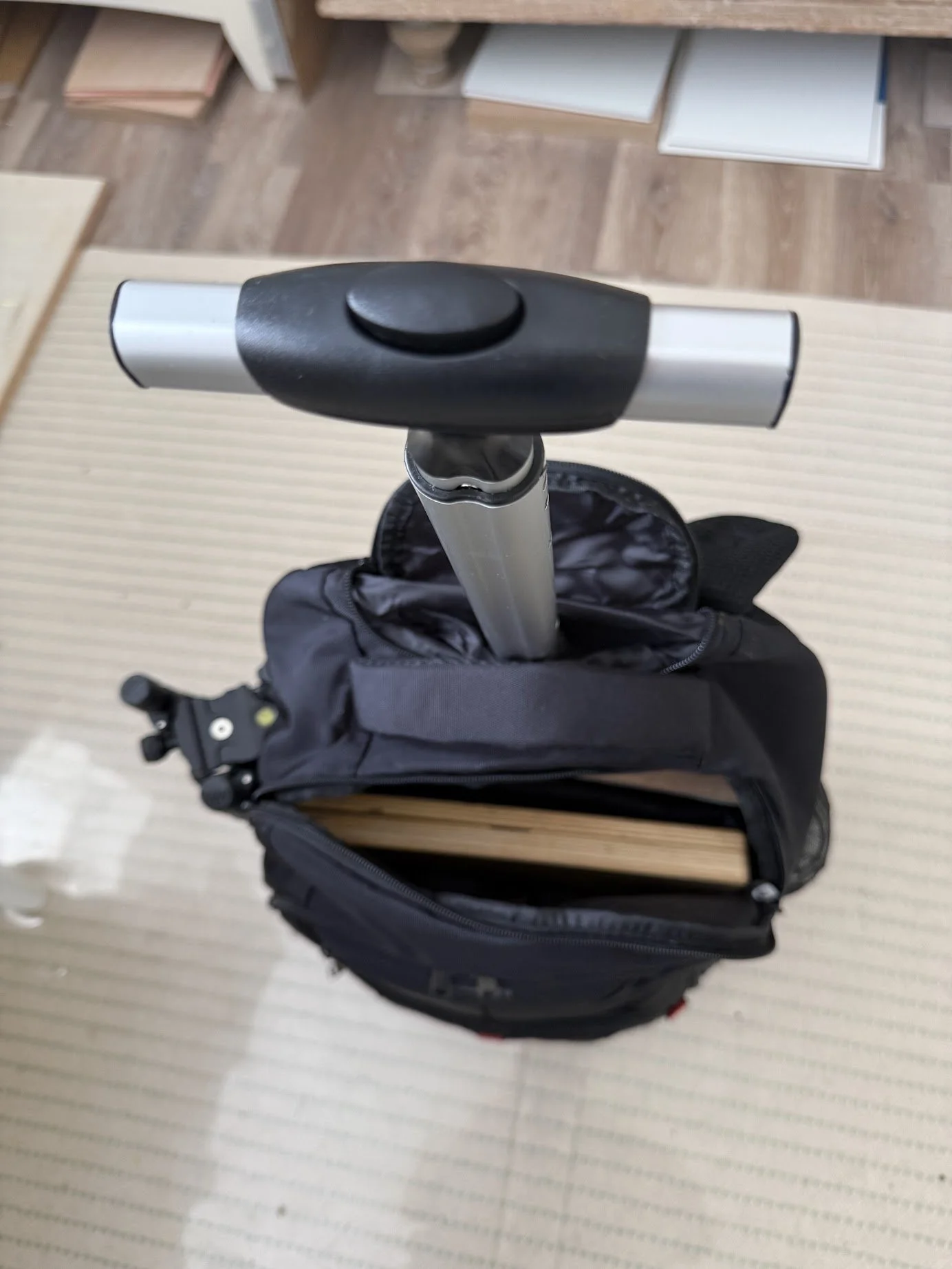
First and foremost is a rucksack for lugging my art supplies about once I’m on location. I have one on wheels so that I can easily cart it around. I bought this one off amazon and it’s by Ligsan, but there are other brands available. This one is top-loading which means I can easily get things out of it without having to lie it down and it’s stands upright firmly. It also has pockets on the front for easy access and a pocket on the side for my tripod to be attached. It’s a suitable size to use as carry-on luggage on the aircraft (but I put the art supplies in my hold luggage and then swap it over once I’m at my destination).
Here are the art supplies I like to take with me when I travel:
©heidilaughtonart
I’ll run through some of the art materials in more detail:
1: Pochade & tripod: I’m currently using the Ugo pochade and tripod by New Wave. The pochade/easel attaches to the tripod and yet is the size of a laptop and easily fits into the rucksack
2: Oil paints: I double bag the oil paints (or put them in a container) incase they get broken on route. I have either Michael Harding or Winsor & Newton oil paints and a few Gamblin (but any brand is good). I also take a few Alkyd oil paints for quick drying, especially useful for underpaintings. It’s best to mark the bag as “artist pigments” don’t use the word “paints”.
3: Solvents/liquids: I have a container with my solvents. Solvents cannot be taken on flights unless they have a flash point higher than 61C. You need to check with the manufacturers of your products (most list this on their websites). I have found that Gamsol and Michael Harding Miracle Medium and Zest It are ok. Liquin is not safe. Solvent free gel is ok and Alkyd lite is ok. Another option is to buy your solvent when you are there instead. I also take with me Bristle Magic for brush cleaning and/or a solid brush cleaning soap (it’s also handy to buy some washing up liquid once you are at your location). Include the data sheets in your container if you print them from the websites.
4: Brushes in Brush holder: I recently bought this brush holder by Jackson’s and it stands the brushes upright which I think will be useful when out painting plein air. I take both hog hair brushes and softer synthetic brushes of all sizes, plus a palette knife and rubber shapers.
5: I take vinyl gloves for painting. I like to use these when painting en plein air so my hands don’t get too mucky - especially if I need to get into the car straight afterwards to drive. Alternatively I might use Art Guard Barrier cream which makes washing hands easier after using oil paints.
6: I like to paint on wood rather than canvas and tend to take lightweight wood panels such as Ampersand Artists Panels (cheaper than their gesso panels) and/or simple 2.5mm MDF backing boards bought from local framers. See my blog on “Substrates Explained” for more info and “Preparing boards for painting”. I pre-prime my boards with coloured gesso.
7:I like to take a few Panel Pak carriers to help bring wet paintings home. These can be bought from Panelpak.com in the US. (In the UK Jackson’s sell some canvas panel carriers - not quite the right size for wood panels). Alternatively you can also take sliced up corks to stick between face-to-face wet paintings and then wrap them in masking tape.
8: I take some panel raks for use in the hotel rooms for drying wet panels in. The wet panels stand upright in these. These can be bought from Panelpak.com
9: I like to take a sketchbook or two, and/or a pads of paper. I usually take one for oil painting and one for gouache/water-based painting. My preferred water-based sketchbooks for travel are either by Stillman & Birn or Handbook Journal Co. I also like the Strathmore toned paper pad. For oil painting paper I like the Georgian pad.
9: As well as oil paints, I like to take some gouache paints too. Mine are by Holbein and I also have a container I use which seals them in a palette so they stay wet longer and I can re-use them (bought from Amazon). I don’t use acrylic gouache as these don’t “re-awaken”.
9: Other items I usually take include: An apron, mosquito repellent, after bite, suntan lotion, water spray bottle, some acrylic glazing medium, masking tape, antiseptic hand gel, baby wipes and/or hand wipes, sun hat, sun glasses, vinyl gloves or barrier cream, disposable rubbish bags, a small pencil case for sketching, a couple of small jars for holding solvent & a night-light which clamps onto my easel for painting at night.
That’s all I can think of for now!
I usually take everything in a suitcase in the hold and then take my rucksack on wheels as my carry-on. Once I get to the destination, I then transfer all my art materials from my hold bag into my rucksack.
There is no room left in the suitcase for clothes!
If you are planning a trip abroad soon, Enjoy! Let me know below if you found this useful and any tips you might like to share too!